
Application of cross-borehole resistivity tomography and 2D resistivity Imaging to detect abandon tunnel for design of saraburi-nakorn ratchasima express way foundation, thailand
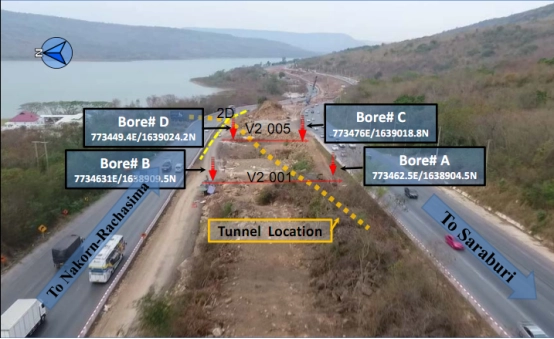
Ⅰ、An introduction
AIMS:
Apply cross-borehole resistivity tomography and 2D resistivity technique with Geomative (GD-10) resistivity instrument for:
1. to determine the existing of abandon tunnel under express way foundation.
2. to locate the position and depth of tunnel for design of Saraburi-Nakorn Ratch asima express way foundation.
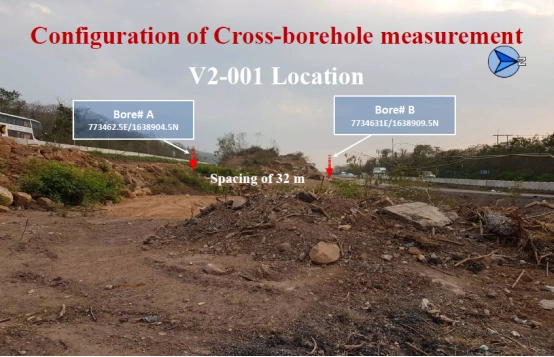
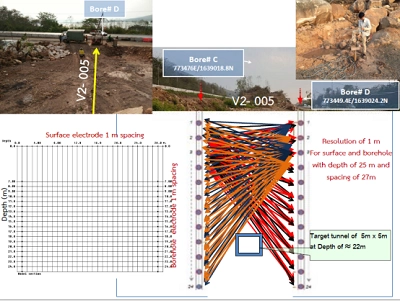
Location of line survey for 2D and borehole for cross-borehole measurement
Ⅱ、Survey methodology
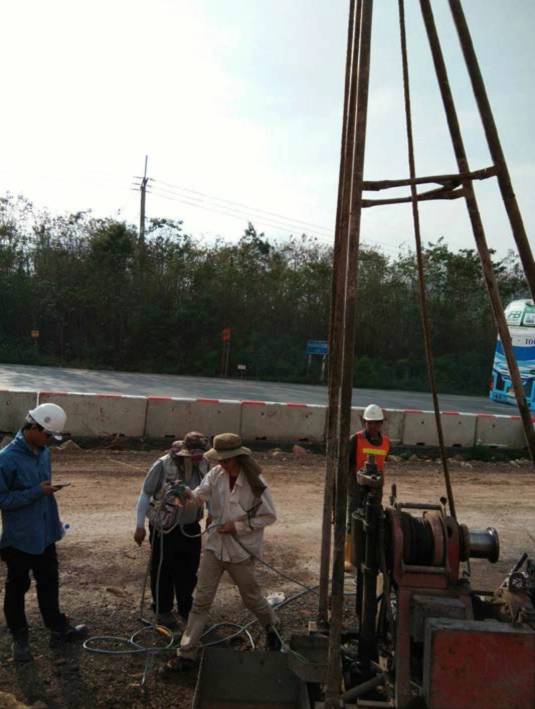
Preparing borehole
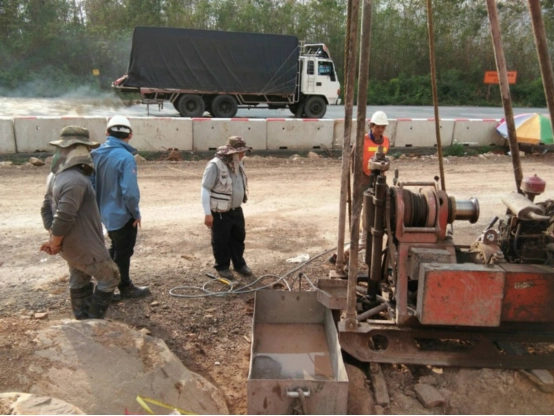
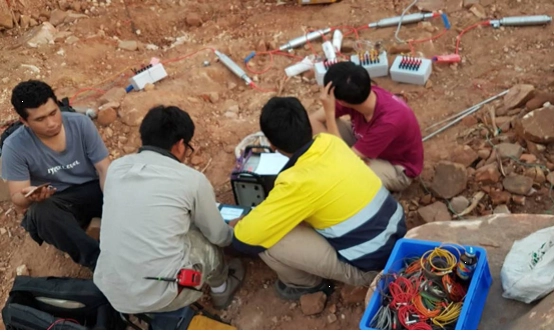
Setting cable configuration by insert concealed cable (specific borehole design) in borehole
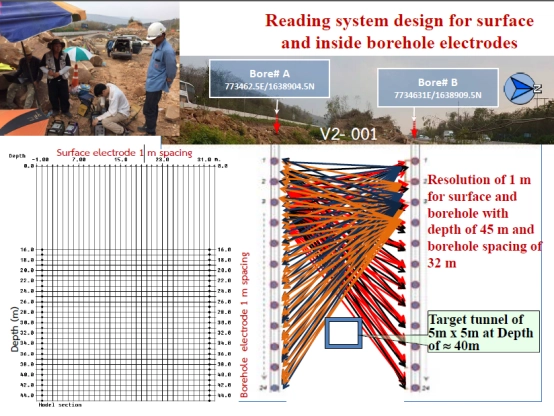
Configuration of electrode and geophysical instrument
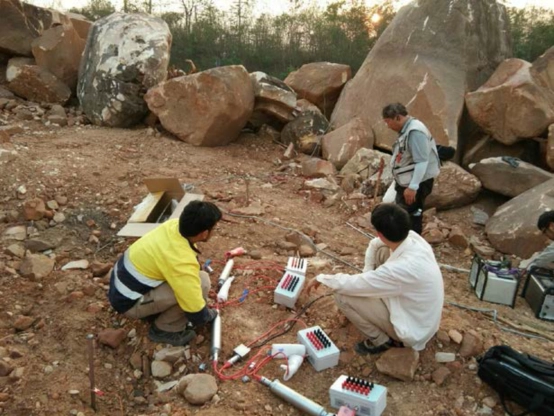
Automatic taking measurement
Configuration of Cross-borehole measurementp
Reading system design for surface and inside borehole electrodes
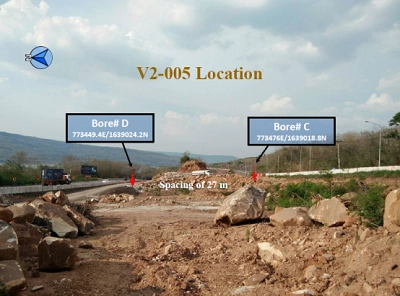
Ⅲ、Interpretation concept
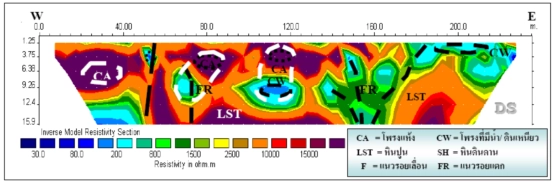
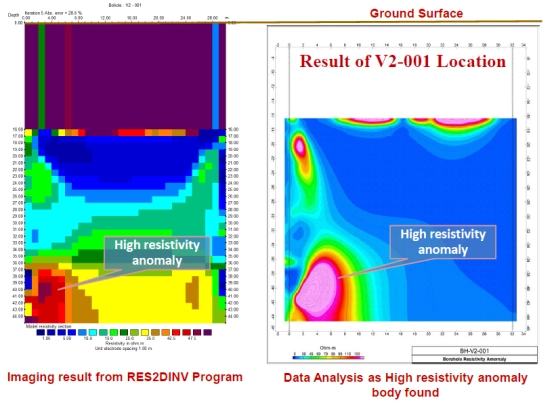
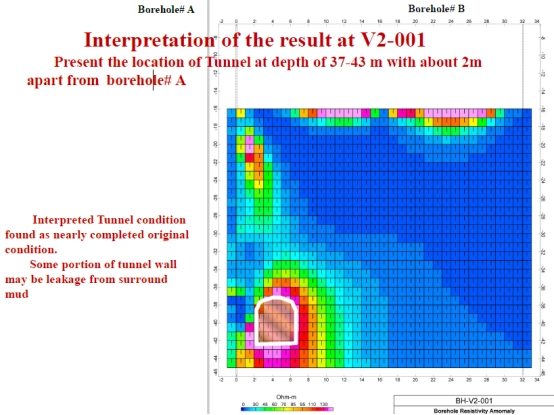
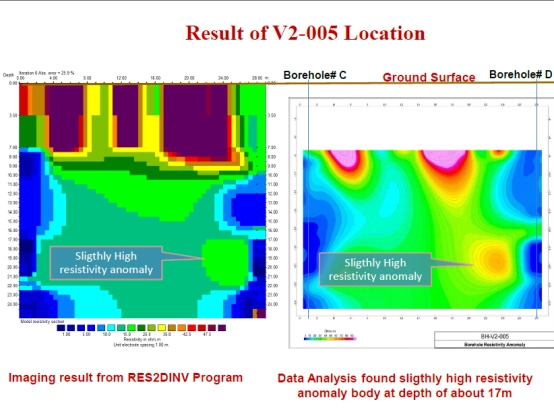
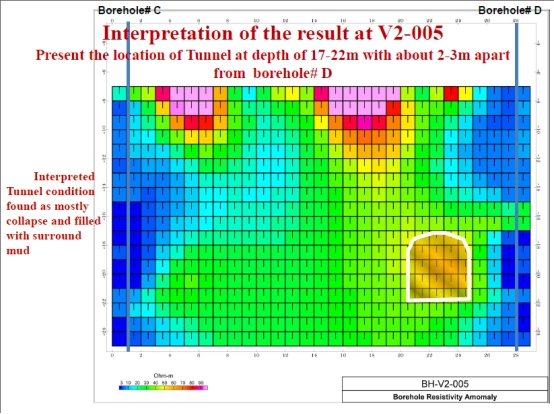
It may follows previous study cases of cavity in Limestone with similar resistivity measurement. Cavities can be grouped into three conditions as following types.
1. Empty Cavity (filled with air) : very high resistivity >1000 Ωm)
2. Cavity filled with water : low resistivity (≈30-100 Ωm)
3. Cavity filled with clay/soil very low resistivity (<20 Ωm)
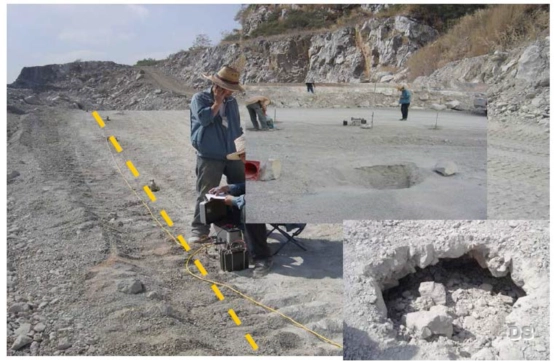
2D Resistivity Imaging
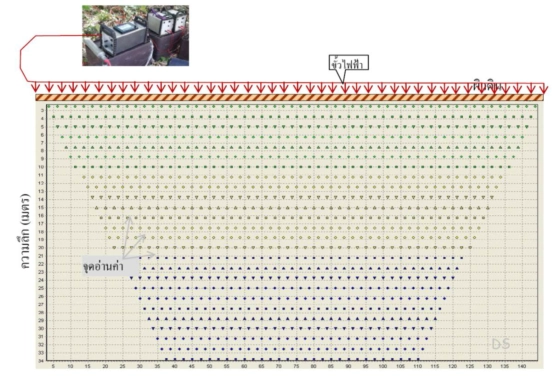
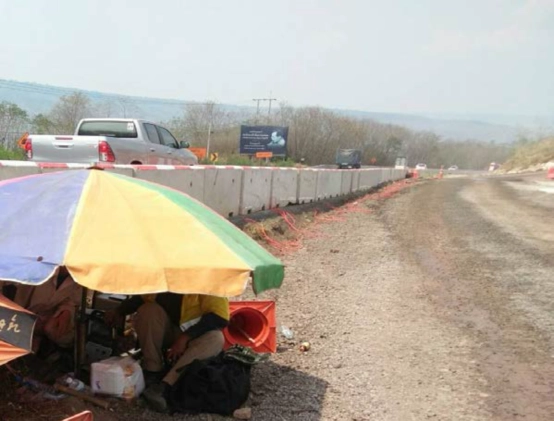
Multi-electrode (60) with electrode spacing of 2.5 m for target depth > 20 m;
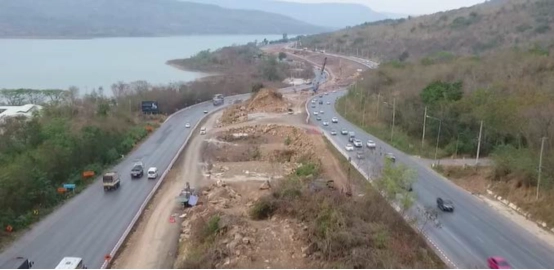
Ⅳ、Results
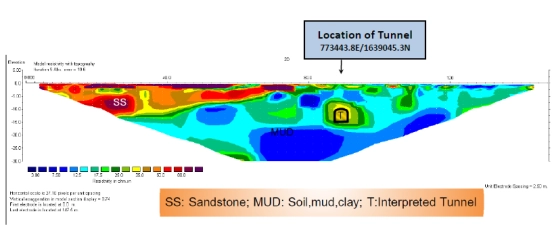
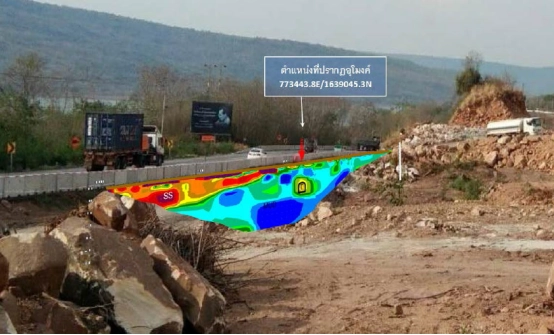
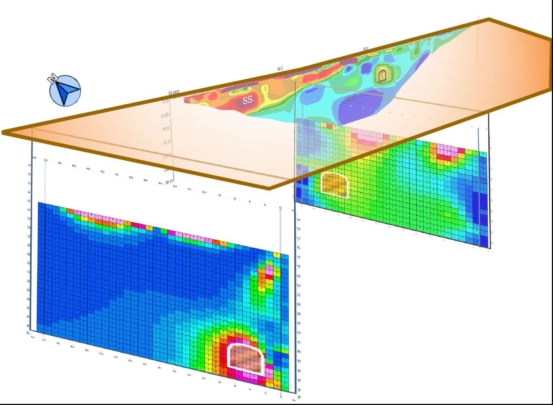
Interpretation of 2D resistivity imaging:
Tunnel found at depth of 10-15mb
* Reference
Geomative. (n.d.). Application of cross-borehole resistivity tomography and 2D resistivity imaging to detect abandon tunnel for design of Saraburi–Nakorn Ratchasima expressway foundation, Thailand. Retrieved April 21, 2026, from https://www.geomative.com/cases/application-of-cross-borehole-resistivity-tomography-and-2D-resistivity-imaging-to-detect-abandon-tunnel-for-design-of-saraburi-nakorn-ratchasima-express-way-foundation-thailand.html